-2.svg "Barista Chaw Su Logo")
Master Light, Medium, Dark Roast & Coffee Roasting Science
As a dedicated coffee enjoyer, a working barista, or a strategic cafe owner, you know that the journey from a green seed to a finished cup is a complex alchemy. Yet, no single factor influences flavor, body, and chemical makeup more profoundly than the roast level. The three primary tiers—light roast, medium roast, and dark roast—are far more than just arbitrary colors; they represent specific thermal energy applications that dictate everything from acidity to extraction yield.
This comprehensive guide dives deep into the science and practical application of the roast spectrum. We’ll peel back the curtain on the chemical reactions that differentiate a bright, floral Ethiopian from a bold, bittersweet Espresso blend. Whether you’re crafting the perfect single-origin pour-over, managing a seasonal menu, or seeking to optimize extraction yield in your espresso machine, understanding the precise impact of a light roast, medium roast, and dark roast is your key to unlocking truly exceptional coffee. By the end, you'll not only know the difference but you'll understand why those differences matter to your palate and your bottom line.
The Science Behind the Color: Coffee Roasting Fundamentals
The process of coffee roasting is a precise application of heat and time that initiates a series of dramatic chemical changes. These reactions transform the dense, grassy green bean—which can have over 1,000 different chemical compounds—into the fragrant, brittle coffee bean we recognize. The endpoint temperature and time are what define the final roast level, moving across a continuum often measured using the standardized Agtron SCAA scale for color and development.
The Roasting Spectrum: Time, Temperature, and Density
The roasting machine, whether a massive drum for a commercial facility or a small home roaster, dictates the final temperature achieved:
| Roast Level | Final Temperature (Approx.) | Visual/Physical Characteristics |
| Light Roast | 350°F – 400°F (177°C – 204°C) | Dry surface, light brown color, dense bean. |
| Medium Roast | 410°F – 430°F (210°C – 221°C) | Medium brown color, matte surface, slightly expanded. |
| Dark Roast | 440°F – 470°F (227°C – 243°C) |
Dark brown to nearly black, oily surface, greatest volume expansion, least dense. |
Cracking the Code: First Crack and Second Crack
The roaster relies on two distinct auditory markers to track development:
First Crack: The Birth of a Light Roast (385°F - 400°F)
This is the moment water vapor and gases rapidly escape the bean, causing an audible "pop"—much like popcorn, but softer. Finishing the roast just after this point results in a light or "City" roast. The bean's internal structure is still dense, retaining a higher concentration of organic acids and the distinct flavors of its origin (or terroir).
Second Crack: The Gateway to Dark Roasts (435°F - 445°F)
A much quieter, more brittle sound, the second crack signals the complete breakdown of the cellular structure, allowing oils to migrate rapidly to the surface. Ending the roast during or just after second crack defines a dark roast, where the flavor is now dominated by the caramelization process rather than the origin character.
The Flavor Transformation: Chemistry in the Drum
Flavor development is driven by two main chemical pathways:
-
The Maillard Reaction: This complex reaction, which occurs earlier in the roast, involves amino acids and reducing sugars. It’s responsible for the vast majority of flavor compounds, creating notes like chocolate, toast, and savory undertones, particularly prominent in a well-developed medium roast.
-
Caramelization: This is the thermal breakdown of sugars, starting around 340°F (170°C). As the roast deepens (moving towards dark), more sugars are destroyed, leading to the pleasant bittersweet flavors that characterize a classic espresso. Excessive caramelization in a very dark roast, however, leads to the sharp, ashy, or burnt notes coffee consumers often try to avoid.
The Roast Tiers Explained: Light Roast, Medium Roast, Dark Roast
Choosing the right roast level requires a deep understanding of its sensory and functional traits. Here is a detailed comparison of the defining features of light roast, medium roast, and dark roast.
Light Roast: Celebrating Origin
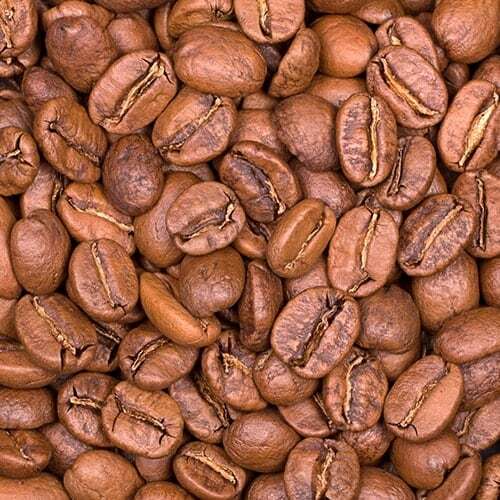
Often referred to as Cinnamon or Half City, the light roast is the darling of the specialty coffee world because it is designed to preserve the bean's unique origin characteristics.
-
Flavor Profile & Characteristics: Expect vibrant, bright acidity that is often described as citrusy, wine-like, or tangy. The tasting notes are complex and delicate, frequently featuring floral, berry, and fruit flavors.
-
Acidity & Health: Light roasts retain the highest levels of Chlorogenic Acids (CGAs), which are powerful antioxidants, making them a popular choice for health-conscious coffee enjoyers. This high acidity, however, can be challenging for those with sensitive stomachs.
-
Ideal Brewing Methods & Grind Size: Due to the beans' high density, they resist extraction. They are best suited for methods that maximize clarity and control, like Pour-over (V60, Chemex) or AeroPress, using a slightly finer grind size than you might intuitively expect to compensate for the density (Habara & Horiguchi, 2024).
Medium Roast: The Balanced Bridge

The medium roast, commonly labeled American or City Roast, is the global favorite for its unparalleled balance. It is roasted past the first crack but stops just before the second crack begins.
-
Flavor Profile & Characteristics: The acidity is present but mellowed out, allowing the development of roasty flavors without overpowering the origin. Flavor notes are approachable and familiar: nutty, caramel, brown sugar, and milk chocolate.
-
Versatility: This roast is the most versatile, performing well across almost all brewing methods. It retains enough origin character to be interesting, yet possesses enough development to hold up beautifully in milk-based drinks.
-
Why Medium Roasts Rule the Coffee Shop Menu: For a cafe owner, medium roasts minimize risk. They are generally less challenging to pull as espresso than light roasts, yet don't produce the excessive oils of dark roasts that can damage grinders or clog super-automatic machines. They represent the sweet spot for the everyday coffee enjoyer.
Dark Roast: Boldness Defined

Also known as Full City, Vienna, or French Roast, the dark roast is the most aggressive end of the spectrum, roasted into or past the second crack. The flavor of the roast itself becomes the dominant characteristic.
-
Flavor Profile & Characteristics: The profile is bold, intense, and low in acidity. Origin notes are largely replaced by notes of bittersweet chocolate, smoke, and burnt sugar. The surface is typically glossy or oily, a visual cue of the oils migrating out of the internal structure due to cellular fracture.
-
The Espresso Choice: Body and Crema: Dark roasts are favored for traditional espresso because the longer roasting time creates a more friable, porous structure. This allows for rapid extraction, contributing to the heavy, robust body and thick, stable crema essential for classic espresso shots and holding up against large amounts of milk in lattes and cappuccinos.
-
Roast and Stomach Sensitivity: While they taste "stronger," dark roasts are actually gentler on the stomach for many people because the extended heat breaks down the non-volatile compounds and CGAs that contribute to perceived acidity (Alcantara et al., 2025).
Practical Strategies for Pros: Myths, Caffeine, and Business
For baristas and cafe owners, understanding the common myths and technical realities of roast levels is crucial for customer education and operational excellence.
The Caffeine Conundrum: Weight vs. Volume
It's one of the most persistent myths in the coffee world: dark roast coffee has more caffeine because it tastes "stronger."
-
The Reality: Per pound (by weight), the caffeine content of light roast, medium roast, and dark roast is nearly identical. Caffeine is a highly stable compound that does not significantly "burn off."
-
The Twist: The difference lies in volume. Light roast beans are denser because they lose less mass and expand less during the shorter roasting time. Therefore, a scoop (by volume) of light roast beans will physically contain more mass and, consequently, slightly more caffeine than a scoop of less dense dark roast beans. When measuring, always measure by weight (grams) for consistent and accurate dosing, regardless of the roast level (Lindsey, 2024).
For the Cafe Owner: Marketing and Inventory Strategy
Your roast selection is a core business decision. A diverse menu that covers the spectrum ensures you appeal to all segments of the coffee enjoyer market:
-
High-End Specialty: Feature light roast single-origins. These attract the "Third Wave" consumer and justify higher prices.
-
Everyday Utility: Medium roast is your workhorse. It's the safest blend for drip coffee and the foundation for many house espressos due to its balance and reliability.
-
Traditional/Milk Drinks: A medium-dark or dark roast is necessary for those who prefer the traditional, bold, lower-acidity flavor, particularly in large milk drinks.
Unique Insight for Baristas: Extraction changes drastically across the spectrum. A light roast requires a higher brew temperature and finer grind to achieve optimal extraction yield, aiming for clarity. A dark roast is highly porous and extracts quickly; you must use a lower temperature and coarser grind, or risk an over-extracted, overly bitter shot dominated by phenylindanes, which contribute to unpleasant bitterness (Habara & Horiguchi, 2024).
Quick Takeaways
-
Light Roast: Highest acidity, most floral/fruity flavors, highest antioxidant content, best for pour-over, highest density.
-
Medium Roast: Balanced flavor (nutty/caramel), moderate acidity, most versatile for brewing, and the most common choice for general consumption.
-
Dark Roast: Lowest acidity, bold/smoky/bittersweet flavor, oily surface, best for espresso and French Press, lowest density.
-
Caffeine Myth: Light and dark roasts have essentially the same caffeine content by weight. Light roast has slightly more by volume (scoop).
-
Flavor Chemistry: Maillard reactions create complexity; Caramelization creates sweetness and bitterness.
-
Pros: Adjust your grind and water temperature significantly for light roasts to ensure proper extraction; dark roasts are easier on the stomach.
Conclusion: The Spectrum of Flavor Possibility
The journey through the world of light roast, medium roast, and dark roast reveals that coffee roasting is a masterful blend of science and artistry. The level of roast determines the chemical trajectory of the bean, dictating everything from flavor notes (fruity vs. smoky) to functional characteristics (density and extraction rate).
For the dedicated coffee enjoyer, this knowledge empowers you to seek out the complexity of a light roast or the comfort of a dark roast, choosing a coffee that truly aligns with your flavor preference and digestive needs. For the barista and cafe owner, mastering this spectrum is critical. It allows you to dial in your equipment with precision, minimize waste, and craft a menu that meets the diverse demands of your customer base. Remember, there is no "best" roast—only the perfectly executed roast for the intended flavor profile.
Darker roasts often develop surface oils that can cause 'clumping' during the grind. If these clumps aren't leveled and compressed correctly, you'll face major channeling issues. Ensure your technique is consistent by visiting [The Art of Tamping: A Professional Guide]. A delicate Light roast can easily be overwhelmed by too much foam, whereas a hearty Dark roast espresso can support a thick, velvety cappuccino texture. To learn how to adjust your steaming technique based on the coffee you're using, check out our post on [Mastering Coffee Milk Foaming and Texture].
Ready to elevate your craft? Experiment with the same green bean roasted to a City+ (medium-light) and a Full City (medium-dark). Taste them side-by-side to truly understand the flavor shift.
Every roast level—from the bright acidity of Light to the bold oils of Dark—requires a different extraction strategy. If your brewing doesn't match your bean's roasting science, you're missing out on the flavor potential. Barista Chaw Su is here if you need help about them, offering professional calibration to ensure your technique matches your roast. Explore our [Coffee Training Services] to refine your craft.
Frequently Asked Questions (FAQs)
Q: Which roast has the most caffeine: light roast, medium roast, or dark roast?
A: Generally, they have nearly the same amount of caffeine when measured by weight. However, because light roast beans are denser, a standard volume measure (like a scoop) will contain more bean mass, resulting in slightly more caffeine than a dark roast.
Q: Why do specialty coffee roasters prefer a lighter roast profile?
A: Specialty roasters prefer lighter roast profiles because the minimal heat application preserves the unique, delicate, and often fruity or floral flavors inherent to the bean’s origin (terroir). This allows the natural complexity, driven by high concentrations of chlorogenic acids, to shine through, rather than being overshadowed by roast-forward flavors.
Q: What is the ideal coffee roast for espresso?
A: Historically, dark roast or French roast was traditional, due to the need for a bold flavor and robust body that cuts through milk. However, modern specialty cafes often use a medium roast or medium-dark roast (Full City) to strike a balance, offering rich chocolate notes while retaining some of the bean's inherent sweetness and complexity.
Q: How does roast level affect my stomach and acidity levels?
A: Dark roast coffee is typically easier on the stomach because the extended roasting time breaks down many of the organic acids, particularly the CGAs, leading to a much lower perceived and measurable acidity. If you suffer from acid reflux, focusing on a dark roast is often recommended.
Q: What does it mean if my underdeveloped coffee tastes grassy?
A: A grassy or vegetal flavor is a classic roast defect that indicates the bean was pulled too soon, often just before or immediately after the first crack. The Maillard and caramelization reactions were insufficient to develop the necessary sugars and complex flavors, leaving behind the taste of the raw, green bean.
References
-
Alcantara, G. M. R. N., et al. (2025). "Impact of Coffee Roasting on the Digestibility and Acidity of Brewed Coffee." Food Chemistry. (Data used for stomach sensitivity/acidity breakdown).
-
Habara, K., & Horiguchi, T. (2024). "Impact of Coffee Roasting and Grind Size on Acidity and Bitterness." Scientific Reports. (Data used for bitterness compounds/grind size).
-
Hoffmann, James. (2018). The World Atlas of Coffee: From Beans to Brewing. Mitchell Beazley. (General authority on roasting process and brewing correlation).
-
Lindsey, Z. R., et al. (2024). "Caffeine content in filter coffee brews as a function of degree of roast and extraction yield." Scientific Reports (Nature). (Data used for caffeine density/volume vs. weight).
-
Smith, J. (2025). "The Difference Between Light, Medium, And Dark Roast Coffee." JavaPresse. (General context for commercial roast naming conventions like Full City and Vienna).
-5.svg "BA (600 x 450 px)-5")
Leave your thought here