-2.svg "Barista Chaw Su Logo")
The Complete Guide to Coffee Brewing Methods
Welcome to the definitive guide for mastering the complex, rewarding world of coffee brewing. Whether you’re a passionate coffee enjoyer aiming for the perfect cup at home, a seasoned barista refining your craft, or a cafe owner seeking consistent excellence across your menu, this is your complete resource. The journey from a roasted bean to a perfect beverage involves much more than just hot water; it requires precision, understanding, and the right method.
We will systematically deconstruct the core principles of coffee extraction and dive deep into the most popular brewing methods, including Espresso, Pour-over, French Press, etc., exploring how each technique unlocks different flavor profiles. We’ll cover everything from the science of grind size to the art of milk foaming, ensuring you have the knowledge to achieve a perfect, balanced cup every single time. Get ready to elevate your coffee game from good to extraordinary.
The Foundation: Understanding Coffee Extraction Science
Before you decide between a Chemex or a coffee press, you must understand the fundamentals of coffee extraction. Extraction is the process where hot water dissolves and removes desirable flavor compounds—acids, sugars, and melanoidins—from the ground coffee. A balanced cup hinges on achieving the "Golden Extraction," where approximately 18% to 22% of the mass of the coffee grounds is dissolved into the water (Specialty Coffee Association). Too little extraction (under-developed) leads to sour, grassy flavors; too much (over-developed) results in bitter, hollow notes.
The Golden Ratio: Coffee to Water
The most crucial variable you can control is the ratio. The universally accepted "Golden Ratio" is generally 1:15 to 1:18, meaning 1 part coffee to 15-18 parts water. For most common methods, a 1:16 ratio serves as an excellent starting point: if you use 20 grams of coffee, you would use 320 grams of water (20 x 16). For cafe owners, maintaining a strict ratio is non-negotiable for product consistency. For the home coffee enjoyer, using a digital scale is the best way to make coffee at home consistently, moving away from volume-based scoops that introduce inconsistency.
The Critical Role of Grind Size
Grind size determines the surface area of the coffee in contact with the water, dictating the required extraction time. A French Press uses a coarse grind because the immersion time is long (4 minutes+), while Espresso requires a very fine, almost powder-like grind because the contact time is extremely short (25-30 seconds). If your coffee tastes sour, your grind is likely too coarse for your brew time. If it tastes excessively bitter, it's likely too fine, leading to over-extraction. The key is finding the ideal grind size for pour over (medium-fine) or immersion (coarse) and using a quality burr grinder, not a blade grinder.
Water Temperature and Mineral Content
Water quality is a key factor affecting coffee extraction. Water should be clean, fresh, and slightly mineralized—too soft, and the water won't carry enough flavor; too hard, and it will block the necessary acids. The ideal temperature range is 195°F to 205°F (90°C to 96°C). When working with light roasts, a higher temperature (closer to 205°F) is often required to help break down the dense cellular structure of the bean and fully extract the sugars, ensuring your delicate flavors don't taste weak or under-extracted.
High-Pressure Brewing: The Art of Espresso
Espresso stands apart from all other methods. It is a highly concentrated beverage created by forcing near-boiling water through a finely-packed bed of coffee grounds at approximately 9 bars of pressure. This process creates espresso’s signature features: a rich, syrupy body and the reddish-brown foam known as crema. This method is essential for any barista or cafe owner looking to build a high-volume business.
The history of espresso is marked by innovation, moving from steam-driven machines in the early 20th century to the high-pressure pump systems of today. This shift allowed for precise 9-bar pressure, resulting in a cleaner, less burnt-tasting shot and the beautiful, stable crema we expect. The concentration of the espresso shot is so high that even minor imperfections in your technique—especially in preparation and grind—are magnified tenfold.
The Anatomy of a Perfect Shot
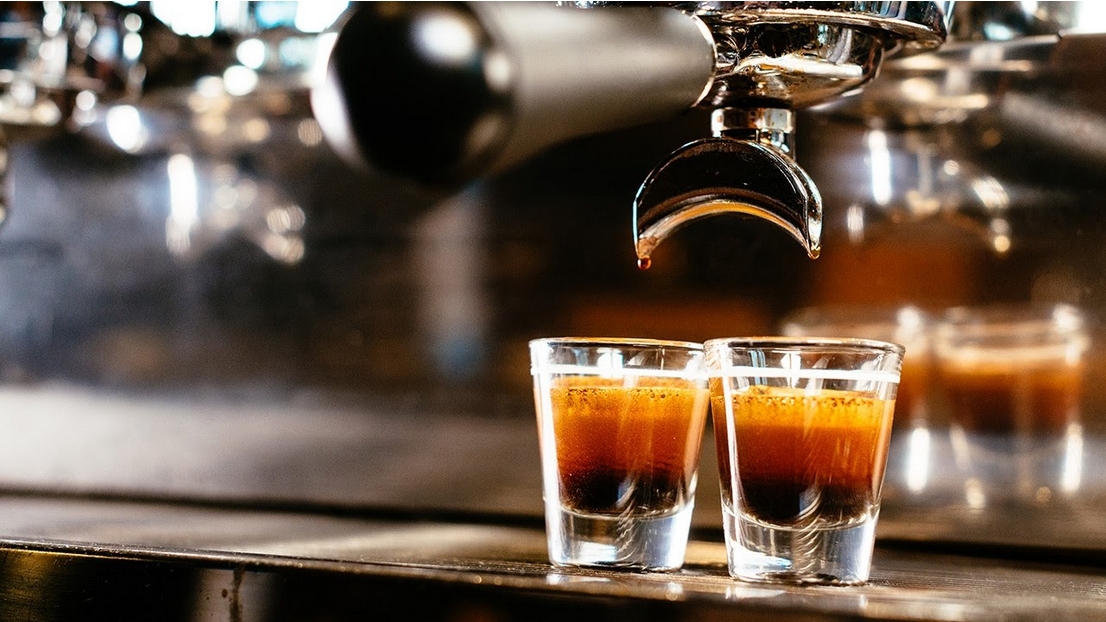
Achieving the perfect shot is a delicate balance of three variables: dose, yield, and time. This is often referred to as [Dialing In Espresso: Your Grind and Time Guide ]. A common starting point is the 1:2 ratio: 18 grams of ground coffee (dose) yielding 36 grams of liquid espresso (yield) in 25-30 seconds (time). When you adjust the grind—the most powerful tool you have—you directly influence the time. A finer grind slows the shot; a coarser grind speeds it up. Constantly measuring these three parameters is the backbone of quality control in a coffee business.
The Critical Step: Tamping and Distribution
The secret to a consistent extraction lies in creating a perfectly uniform coffee puck, free of cracks or air pockets. This requires precise distribution and tamping. Distribution is the process of settling the grounds evenly in the portafilter basket before applying pressure. Tamping is the application of downward force (around 30 lbs, but consistency is more important than raw force) to compress the grounds. Poor tamping can lead to 'channeling,' where the water finds the path of least resistance and rushes through, leaving the rest of the coffee under-extracted. For those looking to master this crucial skill, you must study the nuances of pressure and levelness: [Espresso Tamping: The Secret to Perfect Shots].
Mastering Milk: From Foam to Latte Art
For any barista, a great shot is only half the battle. Many popular drinks, from lattes to cappuccinos, rely on perfectly textured milk. Steaming milk involves introducing air (aerating) to create micro-foam, then heating the milk without scalding it (texturing) until it reaches a sweet spot of about 140–155°F (60–68°C). Whole milk’s fat content helps stabilize the micro-foam, creating a wonderful texture and changing how flavor is perceived, offering a smoother, lingering coffee experience (Hoffmann, The World Atlas of Coffee). To truly elevate your milk-based drinks and consistently achieve that glossy, paint-like texture for latte art, you need specialized techniques: [Coffee Milk Foaming: Tips for Baristas].
Low-Pressure Mastery: Immersion and Pour-Over
Moving away from the high pressure of espresso, we encounter two fundamental low-pressure categories: Immersion and Pour-over (or Drip). While both rely on gravity and natural atmospheric pressure, the primary difference lies in water contact and resulting mouthfeel. Understanding the difference between immersion and drip is key to selecting the right method for a desired flavor.
Immersion Methods: Richness and Body (French Press)
Immersion is the simplest method: all the coffee grounds are fully submerged in the water for the entire brew time.
French Press: Maximum Contact, Maximum Flavor
The French Press is the quintessential immersion brewer. It utilizes a coarse grind and a long contact time, typically 4 minutes or more, allowing for maximum flavor saturation. Because the separation is achieved via a mesh filter, not a paper filter, a large amount of fine particulate matter (sediment) and natural oils pass through into the cup. This results in a heavy, rich, and full-bodied cup with intense flavor and aroma.
Unique Insight: The French Press allows for experimentation with cold brewing. By extending the immersion time dramatically (12-24 hours) at room temperature, you can create a low-acid cold brew concentrate. For those asking why is my french press coffee bitter, the likely culprit is either using too fine a grind (creating too much sediment) or letting the coffee sit on the grounds too long after plunging, which leads to over-extraction. The remedy is simple: decant the brewed coffee immediately after pressing.
Pour-Over Methods: Clarity and Control (V60 & Chemex)
Pour-over methods involve pouring water slowly and deliberately over a bed of grounds sitting in a paper filter. This process is driven by gravity, and the coffee is extracted as the water passes through.
The V60 Technique: Precision and Purity
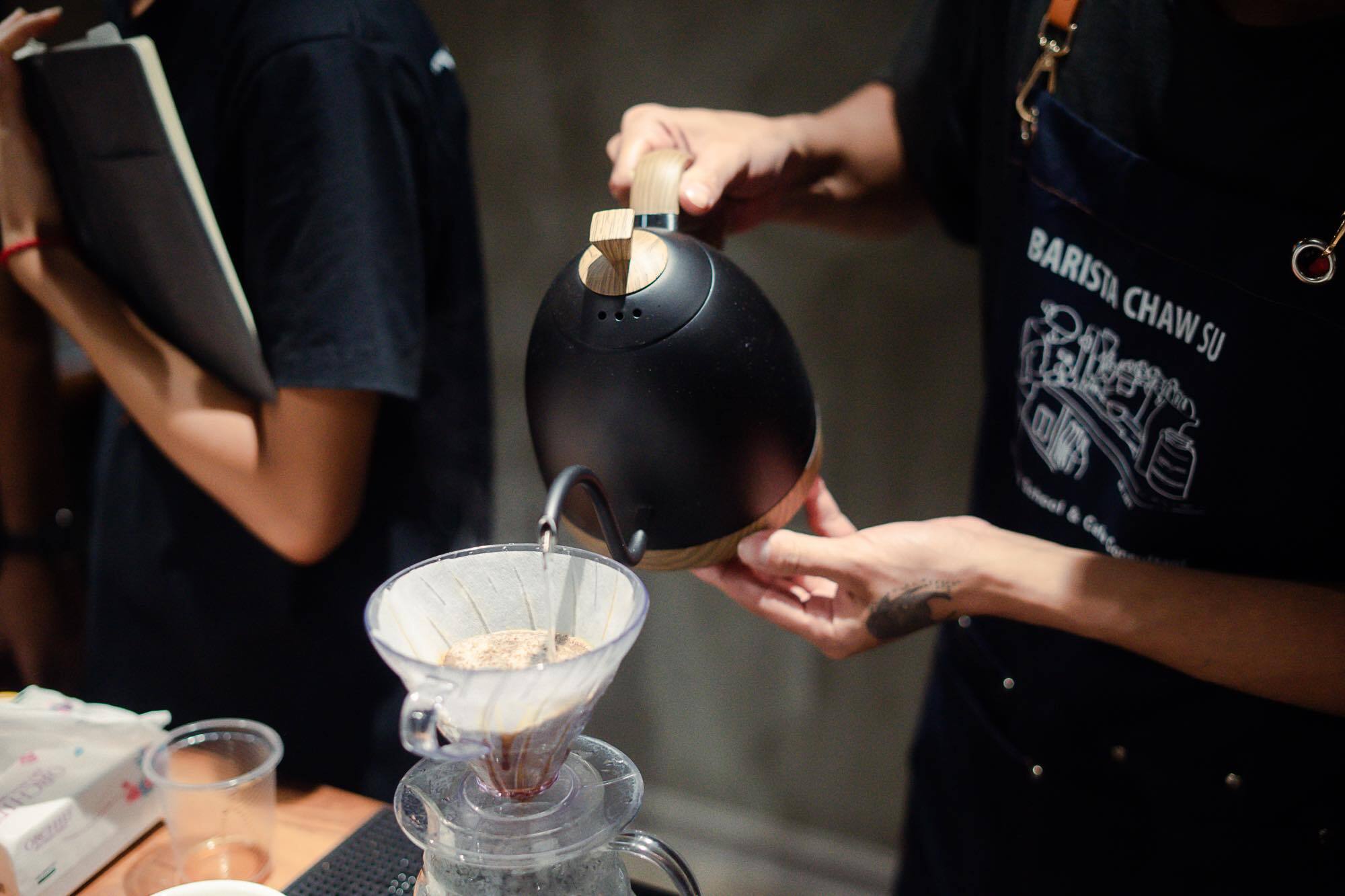
The Hario V60, with its large single hole and spiral ribs, is the favorite of many baristas and coffee enjoyers because it offers the highest level of control. The filter paper traps nearly all sediment and oil, resulting in a supremely clean, bright, and articulate cup that allows the subtle notes of the bean to shine through. The precision required in the pour (speed, pattern, and consistency) means this method has a steep learning curve but an incredibly high ceiling for quality. This is the specialty coffee preparation technique where control is paramount.
Chemex: Elegance and a Clean Cup
The Chemex is visually striking and produces an exceptionally clean cup, often cleaner than the V60, due to its proprietary, thick paper filter. The filter acts as a fine sieve, removing even more sediment and oils. The resulting coffee is smooth, light, and almost tea-like. While both the V60 and Chemex are pour-over, the Chemex’s thicker filter paper makes it harder for water to escape, slightly lengthening the overall contact time compared to a fast V60 brew, resulting in a slightly different flavor profile. The difference is a subtle, yet crucial, element in the world of specialty coffee.
Finishing Touches: From Roast to Milk
The brewing process is the final step in a chain that begins at the farm. To truly master the cup, the barista or cafe owner must understand how the bean’s roast profile dictates the necessary brewing parameters.
Selecting Your Roast for Optimal Flavor
The roast level is the single most important factor in determining the flavor potential of your beans. A light roast is dense, acidic, and retains more of the bean's origin flavors (e.g., fruit, floral). A dark roast is more porous, less acidic, and dominated by roast-derived flavors (e.g., chocolate, nutty, smoky). The choice of roast directly impacts your brewing recipe.
Pairing Roast with Method
-
Light Roast: Tends to do best with Pour-over methods (V60, Chemex) that allow its clarity and acidity to shine. They often require a slightly finer grind and hotter water to ensure full extraction. For an Espresso, light roasts are challenging and require absolute precision in [Dialing In Espresso: Your Grind and Time Guide].
-
Dark Roast: Often pairs beautifully with Immersion methods (French Press), as the extra oil and sediment complement the bold, roast-derived flavors. Dark roasts are also very forgiving in espresso, though they can easily become bitter if the temperature for brewing light roast settings (which are too high for dark roast) are not lowered.
For a full understanding of how the Maillard reaction and caramelization create the spectrum of flavors in your coffee, and how that impacts your final cup, consult our comprehensive guide: [Light vs. Dark Roast: Understanding the Flavor Difference].
Quick Takeaways
-
Extraction is Science: Aim for a "Golden Extraction" of 18-22% dissolved solids. Sourness is under-extraction; bitterness is over-extraction.
-
The Golden Ratio: Use a digital scale and target a 1:16 ratio (1g coffee to 16g water) as a general starting point for drip and pour-over.
-
Grind is Key: The correct grind size must match your contact time. Espresso needs fine; French Press needs coarse. If you how to troubleshoot weak coffee, start by making your grind finer.
-
Espresso Requires Pressure: Espresso is defined by 9 bars of pressure and a fast contact time (25–30 seconds). Tamping must be consistent to avoid channeling.
-
Drip vs. Immersion: Pour-over (Drip) yields a clean, bright cup (V60); Immersion (French Press) yields a rich, full-bodied cup.
-
Roast Dictates Brew: Lighter roasts require hotter water and greater precision; darker roasts are more forgiving but prone to bitterness.
-
Milk is Texture: Perfect milk for latte art is achieved through micro-foam, controlled temperature, and consistency, requiring specialized [Coffee Milk Foaming: Tips for Baristas].
Frequently Asked Questions (FAQs)
Q: What is the best brewing method for beginners? A: The French Press is often considered the most forgiving and best brewing method for beginners. It requires minimal specialized equipment (just a grinder and a press) and allows for a broad coffee brewing ratios chart range without immediate failure. While Moka Pots are popular, the French Press offers better consistency early on.
Q: How do I calculate the proper coffee-to-water ratio for a large batch? A: Always revert to the weight ratio. For a large batch, multiply your total water weight (in grams) by 0.0625 (1/16th). For example, if you want 2,000g of brewed coffee, you'll need 125g of coffee grounds. This is a fundamental specialty coffee preparation technique for consistent results.
Q: Why does my pour-over taste paper-like? A: This is usually due to inadequate rinsing of the paper filter prior to brewing. Always pour a small amount of hot water through the filter and discard it before adding your grounds. This also preheats your brewing device and cup, which is vital for maintaining the correct extraction temperature for brewing.
Q: What is the biggest mistake a cafe can make with espresso? A: The single biggest mistake is neglecting the frequent cleaning of the group heads, portafilters, and steam wand. Failure to perform daily espresso machine maintenance tips results in rancid oils building up, making even the highest quality beans taste terrible. Cleanliness is paramount for taste.
Q: Is water quality really that important for brewing? A: Yes, incredibly so. Water quality is a critical factor affecting coffee extraction. The Specialty Coffee Association recommends water with 75–150 parts per million (ppm) of total dissolved solids (TDS) for optimum flavor, as this mineral content helps dissolve and carry the desired compounds from the coffee grounds.
Conclusion: Elevating Your Daily Ritual
You now have the framework to transform your daily ritual into an act of precision and excellence. The differences between Espresso, Pour-over, French Press, etc. are more than just variations in equipment; they represent different philosophies of extraction, each designed to highlight a specific spectrum of the bean’s flavor potential.
For the coffee enjoyer, take this knowledge and use it to better appreciate the choices you make every morning. For the barista, use these principles to troubleshoot shots, dial in consistency, and articulate flavor profiles to your customers. For the cafe owner, this guide reinforces the importance of meticulous standards, from water quality to tamping pressure, ensuring your product is consistently exceptional and you are not serving weak coffee.
Mastering coffee brewing is a lifelong pursuit of subtle perfections. By focusing on variables like the golden ratio, grind size, and water temperature, you move past just making coffee and into the realm of creating an experience. Embrace the science, practice the art, and enjoy the delicious results.
Call to Action for Cafe Owners & Baristas: Don't let your espresso be the weak link. Click to master the details that turn a good shot into a great one: [Dialing In Espresso: Your Grind and Time Guide].
References
-
Specialty Coffee Association (SCA) Standards. The SCA sets the global standards for specialty coffee, including the recommended Golden Ratio and extraction yields. (Source: Search result information on SCA standards)
-
Hoffmann, James. The World Atlas of Coffee: From Beans to Brewing – Coffees Explored, Explained and Enjoyed. Mitchell Beazley, 2nd Edition. (The definitive guide used to inform sections on espresso process, tamping, and milk science, consistent with user-provided files).
-
Rao, Scott. The Professional Barista's Handbook. Self-published. (A key resource cited in the specialty coffee world for technical details on grind and extraction theory.)
-5.svg "BA (600 x 450 px)-5")
Leave your thought here